Mayan Routes, Indian Roots
Central American culture is linked to India; a Bihar-origin community thrives in Belize: Author Vineet Kumar

Central America is often misunderstood, for beyond the familiar narratives of conflict lies a region rooted in ancient cultures and enriched by diverse communities. In fact, author Lt Col Vineet Kumar recalls being cautioned against travelling there, yet he chose to follow an inner calling — a long‑standing fascination with this part of the world. That instinct carried him across eight countries, culminating in a travelogue that opens a vivid window into the Mayan world and the unexpected resonances he discovered with Indian culture.
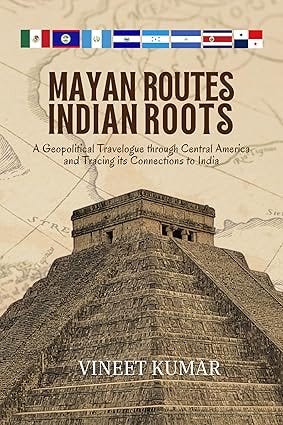
The book ‘Mayan Routes, Indian Roots’ is a deep dive into the heart of Central America, from Mexico down through Belize, Guatemala, El Salvador, Honduras, Nicaragua, Costa Rica, and Panama.
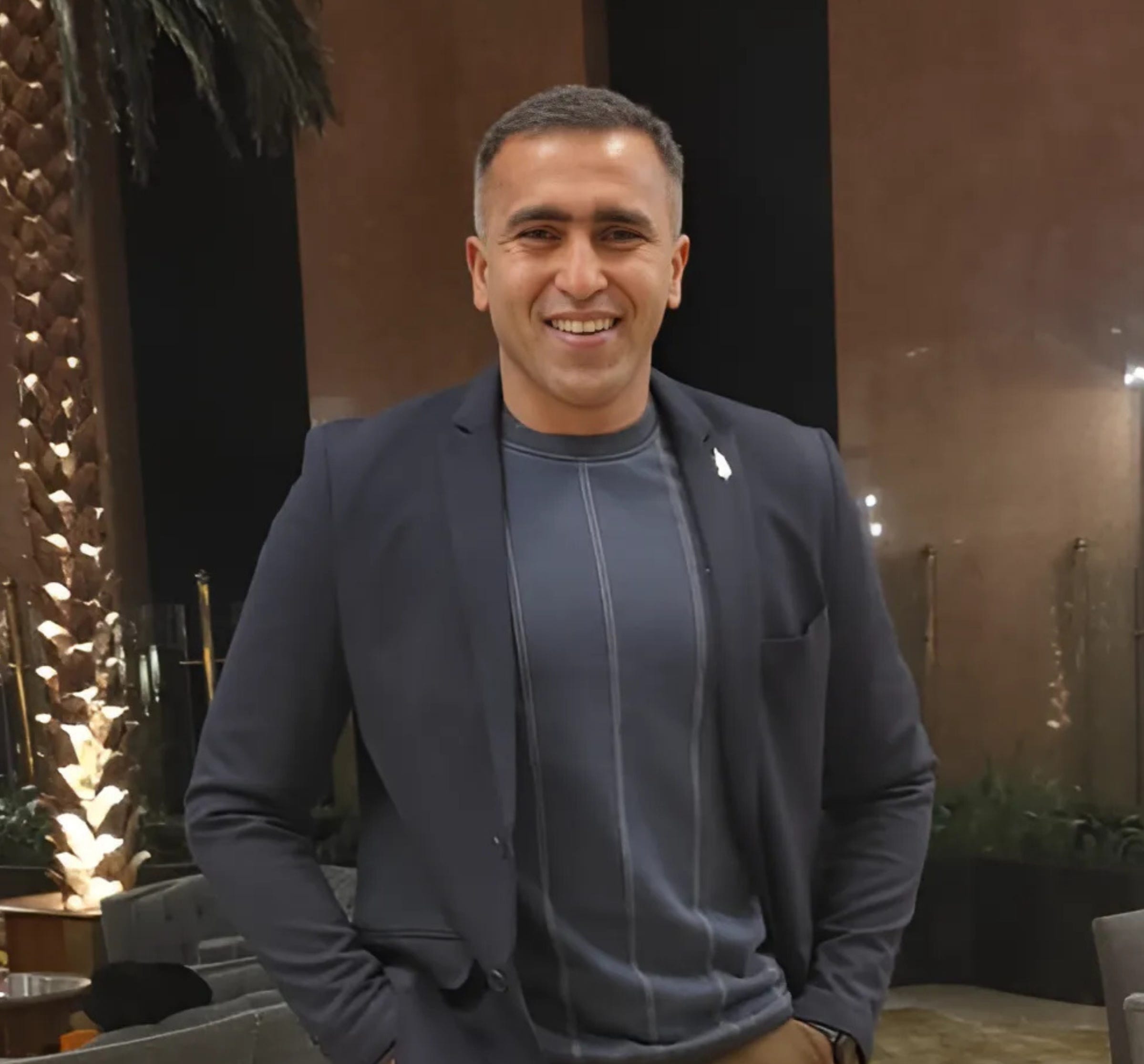
Vineet, who has a diverse background- that of a language and yoga enthusiast, an avid theatre actor, a scuba diver, and an alumnus of IIM Ahmedabad and Jawaharlal Nehru University - looks at these countries and their people through a unique lens, which is personal as well as universal at the same time. He chooses the ancient Mayan civilization, which this part of the world was once part of, as a point of reference and inner reflection during his journey. The book is an outcome of these reflections, accompanied by interesting nuggets about these countries. Some of these are well known, while others come as a surprise!
Vineet has also served with the UN peacekeeping force and is a personnel trainer for special operations. He explores iconic sites like ‘Chichen Itza’ in Mexico as well as pens down the entire history of the construction of the Panama Canal and the tiny vibrant community in Belize which traces its ancestry to Bihar and Uttar Pradesh in India. One of the most interesting descriptions was of the origin of the Creole language and the inclusion of Hindi and words from several world languages. He speaks of the ‘Rastafari’ music in which Bhojpuri words are used often. That had me rushing to YouTube to check it out as I am a fan of reggae and both have the same beat.
He thus offers a unique perspective on the interconnectedness of cultures. According to Kumar, the emphasis on family values, the respect for elders, and the vibrancy and colorful celebrations in their culture deeply reminded him of India.
“The real historical magic for me began when I reached the site of Chichen Itza, an ancient Mayan city, which flourished from 550-1200 AD. It has a great pyramid at the center, also known as the Temple of Kukulcan, the feathered serpent god. The pyramid has 365 steps representing the solar year. The steps and platforms on it are so aligned that during the spring and autumn equinoxes, their shadows create an illusion of a giant serpent descending the staircase,” he informs. “It’s a marvelous sight to behold. The beauty lies in the precision with which it is constructed and the powerful cosmic connection of this engineering wonder,” he adds.
Chichen Itza is also full of ‘sinkholes’ or cenotes, which had great spiritual significance for the Mayans. These are incredible limestone caves filled with crystal-clear fresh water. According to ancient beliefs, these were sacred gateways to the underworld.
“What we call patal lok, they called it Xibalba, the mythological underworld, translated as ‘place of fear’ or ‘place of fright’, ruled by death gods,” he points out.
Kumar describes the feeling when you enter these sinkholes as akin to entering another world, another realm altogether. “It’s very cool and mysterious down there, and deeply spiritual as well. Their importance in those times tells the story of a civilization linked to its environment where water was life and earth held secrets,” Kumar recounts.
Kumar cites another aspect of Mayan beliefs closely related to India halfway across the world. If you see the globe, Mexico and India are the antipodes of each other. “If you take a pen and you start piercing it through the globe in India and go straight, the pen will come out in Mexico,” he says, and adds that at both places there are corresponding beliefs about the underworld which may have referred to each other’s civilization at that time.
Kumar also talks about the similarity of food habits. “They have tortillas, the flatbreads, the way we have our chapati. The spices that they use, the flavors that they have, the stews, the sauces, the gravy, and even the street food culture, are so much similar to ours,” he reminisces.
Kumar also writes about the ‘girmitya’ community in Belize, which traces its ancestry to Bihar and Uttar Pradesh in India. Actually, ‘girmitya’ is derived from the word ‘government permit’ which was given to workers from the Indo-Gangetic plains who were taken on contract by the British during the late 19th century. “It was in the 1870s, 1880s, when there was a famine in Bihar, that lots of people migrated to Calcutta to find work. At the port of Calcutta, they were offered a government permit to work in sugar plantations in their colonies,” according to Kumar.
The government permit became ‘girmit’ for them as the workers could not pronounce the words. “They first went to Mauritius, and they loved that place, and they stayed back there. So much so that today, you know, almost 60 percent of the population of Mauritius comprises their descendants. From Mauritius, when the plantations expanded to other countries, they were taken to the Caribbean and Belize. That’s how their language, culture and rituals got transported to a faraway place,” Kumar clarifies.
For these and many other fascinating stories from that part of the world, listen to the full interview
On Spotify
YouTube